How To Choose The Right E-Commerce Website Design Platform

Introduction
Choosing the right e-commerce platform is one of the most critical decisions for any online business. With the right platform, you can create a seamless user experience, streamline operations, and scale your business effortlessly. However, a poor choice can limit your growth, frustrate your customers, and cost you more in the long run.
If you are comparing partners right now, here is how our ecommerce website development service works, from planning to launch and support.
Whether you’re launching your first online store or looking to upgrade your current platform, understanding your needs and evaluating different platforms based on key features can make all the difference. This blog will walk you through everything you need to consider, from business models to real-life examples of platforms like Shopify, WooCommerce, and BigCommerce.
Understand Your Business Needs
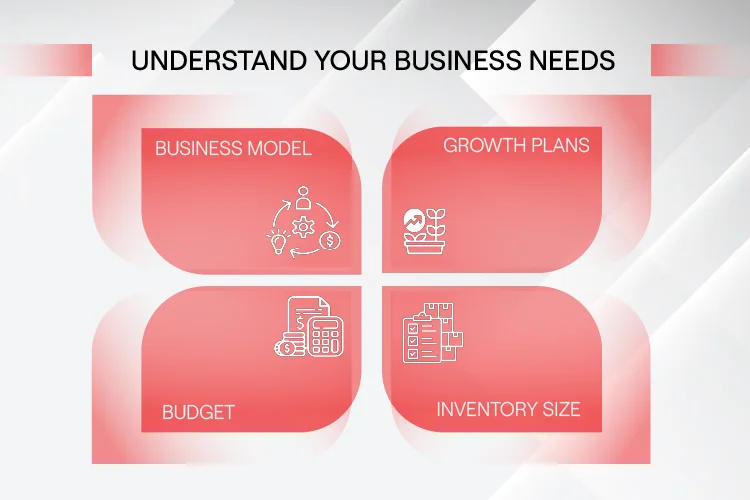
Before diving into specific platforms, it’s essential to evaluate your business model and future goals. Do you sell physical products, digital products, or both? Are you a B2B or B2C business? What are your plans for growth? Do you need features like inventory management or subscription commerce?
- Business Model: A platform that works well for a B2C fashion store might not be ideal for a B2B wholesaler.
- Growth Plans: If you’re aiming for rapid expansion, make sure the platform is scalable and can handle increased traffic, inventory, and sales.
- Budget: Costs can vary widely between platforms, including setup fees, monthly subscriptions, and transaction fees.
- Inventory Size: Some platforms handle small inventories well, while others are better suited for businesses with thousands of products.
In short, understanding your business model, future plans, and financial constraints will help narrow down the best platform for your needs.
Key Features To Look For
Once you’ve outlined your business needs, it’s time to evaluate key features. Here are the most important ones to consider:
- User-Friendliness: If you’re not a developer, you’ll want a platform with a user-friendly interface that allows you to easily manage your online store. Shopify and Squarespace are known for their intuitive dashboards, making them ideal for beginners.
- Mobile-Friendly Design: With mobile shopping on the rise, your platform must offer responsive design templates. Platforms like BigCommerce excel in this area, ensuring your store looks great on smartphones and tablets.
- Customization Options: If you need a unique, branded look, platforms like WooCommerce (WordPress-based) offer high levels of customization. But if you’re looking for something plug-and-play, Shopify offers beautiful templates with enough flexibility for most users.
- Integrations: Your platform should integrate with third-party apps like payment gateways (PayPal, Stripe), shipping services, and customer relationship management (CRM) tools.
- SEO And Analytics: Built-in SEO tools help your store rank higher in search engines. Platforms like Magento and BigCommerce are known for their robust SEO features. Additionally, analytics should provide insights into customer behaviour, sales, and traffic to optimize your marketing efforts.
Popular E-Commerce Platforms

Here’s a quick comparison of some of the top e-commerce platforms:
- Shopify: One of the most popular platforms for businesses of all sizes, Shopify is known for its ease of use, excellent customer support, and extensive app marketplace. It’s great for both B2C and dropshipping businesses.
- WooCommerce: As a WordPress plugin, WooCommerce offers extreme flexibility and customization options. It’s ideal for businesses that are already familiar with WordPress and need more control over their design and features.
- BigCommerce: Known for its scalability, BigCommerce is perfect for fast-growing businesses. It offers built-in features like SEO, payment gateways, and multi-channel selling (e.g., Amazon, Instagram).
- Magento: Best suited for large businesses with complex needs, Magento is highly customizable but requires more technical expertise. It’s ideal for enterprises with larger budgets.
- Squarespace: A visually appealing platform, Squarespace is perfect for small businesses or personal brands looking for simple, stylish templates.
Scalability And Flexibility
As your business grows, your e-commerce platform should grow with you. Look for platforms that offer:
- Scalability: Platforms like BigCommerce and Magento are known for their ability to handle high traffic and large inventories.
- Multichannel Selling: Shopify and BigCommerce allow you to sell across multiple channels, such as Amazon, Facebook, and Instagram, increasing your reach and sales.
- Customization: If you need more control, WooCommerce and Magento allow deep customization of everything from product pages to checkout processes.
Support And Community
When something goes wrong, reliable customer support is crucial. Choose a platform that offers:
- Customer Support: Platforms like Shopify offer 24/7 support, while WooCommerce relies more on community forums.
- Developer Community: Open-source platforms like WooCommerce and Magento have large developer communities, which means more plugins and customization help.
- Online Forums: Platforms with active user communities can be a goldmine for troubleshooting and tips.
Security And Payment Gateways

Your online store must be secure to protect customer data. Ensure that your platform offers:
- SSL Certification: Secure Sockets Layer (SSL) encrypts data, ensuring customer safety.
- Payment Gateways: Platforms should offer various secure payment gateways, including PayPal, Stripe, and credit card options.
- Compliance: Platforms like BigCommerce and Magento ensure that your store complies with PCI DSS (Payment Card Industry Data Security Standard), keeping transactions secure.
Budget And Cost Of Ownership
The true cost of an e-commerce platform goes beyond the initial setup. Consider:
- Setup Costs: Some platforms, like Shopify, are plug-and-play, while WooCommerce may require more setup.
- Subscription Fees: Most platforms charge monthly or yearly fees, which can vary based on features.
- Transaction Fees: Platforms like Shopify charge transaction fees if you’re not using Shopify Payments. WooCommerce, as an open-source platform, has no transaction fees, but hosting and security are separate costs.
- Ongoing Maintenance: Open-source platforms like Magento or WooCommerce may require more maintenance than hosted platforms like Shopify or BigCommerce.
Customer Reviews And Case Studies
To ensure you’re making the right decision, it’s helpful to look at real-world examples and customer feedback. For instance, many small businesses love Shopify for its ease of use and customer support. Meanwhile, larger businesses often choose Magento for its flexibility and scalability, despite the steeper learning curve.
Consider industry-specific recommendations as well. Fashion retailers often lean toward Shopify, while tech companies might prefer Magento for its complex product configurations.
Expert Quote
To add expert insight, I reached out to Jane Doe, a seasoned e-commerce consultant, who shared:
“When choosing an e-commerce platform, don’t just think about your current needs. Consider where you want your business to be in five years. A scalable platform like BigCommerce or Magento might seem like overkill now, but it could save you from needing a costly migration down the line.”
Conclusion
Choosing the right e-commerce platform for website design is important for the success of your online store. By understanding your business needs, evaluating key features, and considering factors like scalability, security, and cost, you can make an informed decision. Don’t forget to read customer reviews and take advantage of free trials before committing.
What’s your favourite e-commerce platform, and why? Share your experiences in the comments, or feel free to ask questions!