The Ultimate SEO Checklist for Travel Agencies in 2025

Travel SEO is optimizing travel-related websites to rank higher on search engine results pages (SERPs). By implementing effective SEO strategies, travel agencies can increase their online visibility, attract more organic traffic, and convert visitors into customers. This involves tailoring content, technical aspects, and off-site strategies to meet the unique needs of the travel industry, such as targeting destination-specific keywords, showcasing seasonal offers, and leveraging rich visuals.
1. Importance of SEO for Travel Agencies in 2025
In 2025, the travel industry is more competitive than ever, with travelers relying heavily on online platforms to plan and book their trips. SEO for travel agencies has become crucial to stand out in this crowded digital space. By leveraging travel SEO services, agencies can improve their website’s visibility, attract the right audience, and drive more bookings.
The evolving trends in online travel booking, such as mobile-first searches, voice search, and personalized recommendations, make SEO for travel websites a non-negotiable strategy for success. With an effective SEO strategy, travel businesses can tap into the growing demand for destination-specific and experience-driven searches.
This blog post will provide a comprehensive checklist to help travel agencies optimize their websites, ensuring they rank higher on SERPs and meet the needs of modern travelers.
2. Understanding SEO Basics for Travel Agencies

What is SEO, and Why It Matters for Travel Businesses?
SEO, or Search Engine Optimization, is the process of optimizing a website to improve its rankings on search engines like Google. For travel businesses, this means reaching potential customers at the right time—when they’re searching for destinations, accommodations, or travel packages. SEO for travel websites ensures that your agency becomes the go-to choice for travelers planning their next adventure.
Key SEO Concepts
- Keywords: Target phrases like “best travel agency near me” or “luxury vacations in Europe” that travelers are actively searching for.
- On-Page SEO: Optimize website content, titles, and meta descriptions to ensure relevance to your audience.
- Off-Page SEO: Build high-quality backlinks from reputable travel blogs and websites to boost your authority.
- Technical SEO: Ensure your travel website is mobile-friendly, fast, and easy to navigate.
By mastering these concepts, a travel SEO agency can help you create a user-friendly, search-engine-optimized site that attracts more visitors.
The Role of Local SEO in Attracting Nearby Travelers
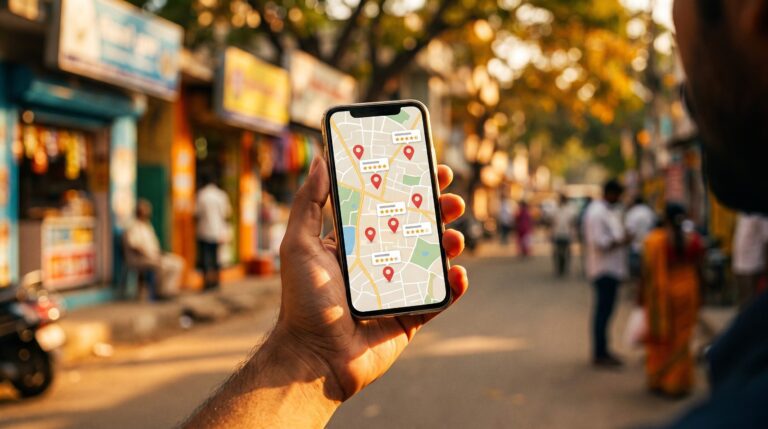
For agencies targeting local clients, local SEO for travel agencies is indispensable. Optimizing your Google Business Profile, collecting reviews, and using location-specific keywords like “best travel agency in New York” can help you connect with nearby customers searching for your services.
An investment in professional travel SEO services ensures your agency stays ahead of the competition while catering to the ever-changing demands of the travel industry
3. Keyword Research for Travel Agencies
Keyword research is the foundation of a successful SEO strategy for travel websites. Identifying the right keywords ensures your website ranks for terms that potential travelers are searching for.
Identifying the Right Keywords
- Destination-Specific Keywords: Target keywords like “best beaches in Bali” or “ski resorts in Switzerland” to capture users looking for specific locations.
- Seasonal Keywords: Focus on trends, such as “summer getaways in Greece” or “Christmas markets in Europe,” to align with peak booking seasons.
- Intent-Driven Keywords: Use phrases like “affordable family vacations” or “luxury honeymoon packages” to match user search intent.
Tools for Keyword Research
Use tools like Google Keyword Planner, SEMrush, and Ahrefs to discover high-performing keywords. These platforms provide insights into search volume, competition, and related terms, helping you tailor your SEO for travel agency strategies effectively.
Long-Tail Keywords for Niche Travel Services
Long-tail keywords like “eco-tourism in Costa Rica” or “adventure travel in Patagonia” help attract a specific audience. These keywords have lower competition and higher conversion potential, making them essential for niche travel SEO services.
4. On-Page SEO Optimization
Optimizing your travel website’s on-page elements ensures search engines and users understand your content, improving rankings and engagement.
Crafting Compelling Title Tags and Meta Descriptions
- Write unique, keyword-rich titles and meta descriptions for every page.
- Example: “Explore Exotic Destinations with XYZ Travel Agency | Affordable Tours & Packages.”
Optimizing Content for Destinations, Tours, and Packages
- Create detailed, engaging pages for each destination or tour.
- Include itineraries, must-see attractions, and travel tips.
Using Header Tags (H1, H2, H3)
- Structure your content with clear headings. For instance:
- H1: “Discover Bali’s Hidden Gems”
- H2: “Top Attractions in Bali”
- H3: “Best Time to Visit Bali”
Incorporating High-Quality Images and Videos
- Use visually appealing media to showcase destinations.
- Optimize these with descriptive file names and alt tags like “Sunset at Bali Beach.”
5. Creating Engaging Travel Content
High-quality, engaging content is at the heart of SEO for travel agencies. It attracts and retains visitors, while improving search rankings.
Blogging Ideas
- Destination Guides: Share in-depth travel guides for popular and emerging destinations.
- Travel Tips: Offer advice on packing, budgeting, or navigating local cultures.
- Seasonal Promotions: Announce limited-time offers for peak travel seasons.
The Power of Storytelling
- Share real customer stories, such as honeymooners’ experiences or backpackers’ adventures
- Create emotional connections by showcasing the transformative power of travel.
Incorporating Interactive Content
- Add quizzes like “Which Destination Matches Your Personality?” to boost engagement.
- Use itinerary planners or budget calculators to provide value to users.
6. Local SEO Strategies for Travel Agencies
Local SEO is vital for attracting nearby travelers and boosting your visibility in location-based searches. A strong local SEO strategy for travel websites ensures your agency appears in search results when potential customers look for nearby travel services.
Optimizing Your Google Business Profile
- Fully optimize your Google Business Profile (formerly Google My Business) by adding accurate business information, including your name, address, phone number (NAP), and operating hours.
- Upload high-quality images of your office, travel packages, and customer experiences.
- Use relevant keywords, such as “SEO for tourism website” or “tourism SEO company,” in your business description.
Getting Listed in Local Directories and Travel Marketplaces
- Register your business in local directories like Yelp, TripAdvisor, and other niche travel platforms.
- Ensure consistent NAP details across all platforms to improve trustworthiness and local search rankings.
Encouraging and Responding to Online Reviews
- Actively ask satisfied customers to leave reviews on platforms like Google, TripAdvisor, and Facebook.
- Respond to both positive and negative reviews promptly to build trust and engagement with potential clients.
7. Technical SEO for Travel Websites
Technical SEO forms the backbone of a successful travel SEO strategy by ensuring your website functions smoothly and adheres to search engine best practices.
Ensuring Mobile Responsiveness and Fast Loading Times
- Optimize the website to load quickly on mobile devices. Most travelers browse on the go, making mobile responsiveness critical.
- Use tools like Google PageSpeed Insights to identify and fix speed-related issues.
Fixing Broken Links and Ensuring Proper URL Structure
- Regularly audit your website for broken links to avoid frustrating users and search engines.
- Use SEO-friendly URLs that are clean and descriptive, such as “/destination-guide-bali” instead of “/page?id=12345.”
Implementing Structured Data for Rich Snippets
- Using schema markup to improve SERP appearance with rich snippets, such as customer ratings, package pricing, and travel duration.
- Highlight key offerings like “5-star reviews,” “affordable tours,” and “exclusive packages”.
8. Off-Page SEO Tactics
Off-page SEO focuses on building your website’s authority and driving traffic through external sources.
Building High-Quality Backlinks from Travel Blogs and Industry Sites
- Partner with authoritative travel blogs and websites to get backlinks. For example, write guest posts on “sustainable travel trends” or “top destinations for 2025.”
- Use keywords like “SEO services for travel agency” and “tourism SEO service” in anchor texts for backlinks.
Leveraging Social Media to Drive Traffic and Engagement
- Share visually appealing posts, such as destination highlights, customer testimonials, and travel tips, on platforms like Instagram and Pinterest.
- Include links back to your website to improve traffic and SEO rankings.
Collaborating with Influencers and Travel Content Creators
- Work with travel influencers who align with your brand to showcase your offerings. For example, an influencer can vlog about your exclusive adventure tours or luxury vacation packages.
- Use these collaborations to generate buzz and quality backlinks to your website.
FAQ’s
ravel SEO involves optimizing a travel agency’s website to rank higher in search engine results, making it easier for potential customers to find your services. It’s essential because most travelers begin their journey planning online, and ranking higher means more visibility, website traffic, and bookings.
Focus on keywords relevant to your niche, such as destinations, services, or travel themes. Use tools like Google Keyword Planner, SEMrush, and Ahrefs to find keywords with high search volume and low competition. Long-tail keywords like “family-friendly tours in Paris” or “luxury safaris in Africa” are also effective for targeting specific audiences.
Yes, absolutely. Most travelers search for travel options on their mobile devices. Ensuring a mobile-friendly website with fast loading speeds improves user experience and helps your site rank better in mobile search results.
Positive reviews will increase your credibility and improve your local SEO rankings. Encourage happy customers to leave reviews on platforms like Google, TripAdvisor, and Yelp, and always respond to reviews, whether positive or negative.
Hiring a travel SEO consultant or tourism SEO company is beneficial if you lack in-house expertise. They can provide customized strategies, perform technical audits, and optimize your website for better rankings and conversions.