Biotech Marketing: Trends And Strategies For Startups

Introduction
The biotech industry is a fast-growing and highly competitive field, with startups driving innovation and revolutionizing sectors like healthcare, agriculture, and environmental science. However, groundbreaking research and development alone won’t ensure success. Effective biotech marketing plays a crucial role in translating technical innovations into marketable products and services. For biotech startups, creating and implementing an effective biotechnology marketing strategy is essential for building brand awareness, generating leads, and securing funding.
In this blog, we’ll explore the best strategies for marketing biotech startups, look into the importance of compliance with industry regulations, and provide insights from experts on how to navigate this complex landscape. Whether you’re just starting or looking to improve your biotech marketing efforts, this guide will provide you with the latest trends and actionable strategies to succeed.
1. General Biotech Marketing
Definition And Importance
Biotech marketing involves promoting biotech products, services, or technologies to specific audiences, ranging from healthcare providers and pharmaceutical companies to agricultural experts and environmentalists. Due to the complexity and regulatory nature of the biotech industry, startups must focus on clear, informed communication that bridges the gap between advanced science and potential buyers or partners.
An effective biotech marketing strategy can:
- Raise awareness of your company’s innovations.
- Attract investors and partners.
- Generate leads and nurture relationships with customers.
- Build trust in your brand and ensure long-term success.
Biotech Marketing Agencies

For startups with limited in-house marketing expertise, working with a biotech marketing agency can help fast-track growth. These agencies specialize in understanding the regulatory environment and scientific complexities, allowing them to craft targeted campaigns that resonate with both technical and non-technical audiences. A biotech marketing agency can assist with everything from brand positioning to digital marketing, content creation, and regulatory compliance.
Biotech Marketing Services
Biotech marketing agencies offer a range of services that are critical for startups, including:
- Digital marketing strategies (SEO, social media, email marketing).
- Branding and positioning.
- Content marketing (creating educational resources and promotional material).
- Regulatory compliance consulting.
- Lead generation and customer acquisition strategies.
2. Branding
Building a strong, credible brand in biotech is challenging due to the technical nature of the products and the niche audiences involved. However, clear branding can differentiate your startup and make your innovations more approachable and relatable. Your branding should:
- Communicate your company’s mission and vision clearly.
- Convey trustworthiness, expertise, and innovation.
- Use storytelling to connect with potential partners and customers.
A biotech startup’s brand isn’t just about a logo or slogan; it’s about the perception the market has of your company. Biotech branding involves building authority and trust, positioning yourself as a key player in your niche, and using visuals, tone, and messaging to differentiate yourself from competitors.
3. Content Marketing Strategies
Effective Content Types
Biotech content marketing is a powerful tool for educating audiences, driving engagement, and generating leads. The key is to produce high-quality, educational, and scientifically accurate content that can appeal to both industry experts and the general public.
Biotech content marketing can include:
- White papers and research articles that showcase your company’s thought leadership.
- Case studies demonstrating the real-world applications and benefits of your products.
- Infographics that simplify complex data or processes.
- Video marketing (explained further below).
- Blog posts on trending topics like biotech advancements, regulatory updates, and industry best practices.
Blogging Tips
Blogging is one of the most effective tools in biotech content marketing. By consistently publishing informative, high-quality blog posts, you can establish your startup as a thought leader in the field and improve your website’s SEO.
Here are some biotech blogging tips:
- Focus on trending topics, industry news, or regulatory changes.
- Break down complex concepts into simple, engaging explanations.
- Use visuals, charts, and infographics to aid comprehension.
- Incorporate interviews with experts or testimonials from partners.
- Make sure your content is optimized for search engines by using relevant keywords such as biotech startup marketing, biotech content strategy, and biotech video marketing.
Video Marketing
Video is becoming increasingly popular across industries, including biotech. Biotech video marketing allows you to visually explain complex products or research in an engaging, digestible way. Educational videos, interviews with scientists, product demonstrations, and animated explainers can all be valuable tools to communicate your biotech innovations.
Educational Content
Educational content, such as webinars, tutorials, and workshops, can position your startup as a knowledge leader. Offering free resources can attract potential leads and build trust with your target audience, especially when your educational content aligns with their needs and pain points.
4. Digital Marketing Strategies
Overview
A strong biotech digital marketing strategy is critical for reaching your audience and establishing a digital presence. Digital marketing encompasses SEO, social media, PPC advertising, and email marketing, which all work together to attract, engage, and convert leads.
SEO
Search Engine Optimization (SEO) ensures that your biotech company’s website ranks highly on search engine results pages (SERPs). By optimizing your website’s content with keywords such as biotech SEO or biotech digital marketing best practices, you can improve your online visibility and drive more organic traffic. Consider creating specialized landing pages focused on your products, services, or research areas for better conversion.
Social Media Marketing
Social media platforms are ideal for building relationships, engaging with your audience, and sharing your company’s achievements. Biotech social media marketing can be used to share blog posts, updates on research breakthroughs, educational videos, and upcoming events like webinars. LinkedIn and Twitter are particularly effective platforms for engaging with professionals, investors, and influencers in the biotech field.
PPC Advertising
Paid advertising campaigns can boost visibility quickly. Platforms like Google Ads or LinkedIn allow for precise targeting based on industry, job title, or interests. Biotech PPC advertising can ensure your startup is visible to key decision-makers, allowing you to be seen in a dynamic space.
Email Marketing
Building a strong email list is essential for long-term marketing success. Biotech email marketing involves sending personalized, segmented email campaigns to engage leads and nurture relationships. Email newsletters can provide value by sharing the latest research updates, product launches, or educational content.
5. Regulatory Compliance
Biotech Marketing Compliance
Marketing in the biotech industry requires a deep understanding of biotech regulatory landscape. Startups must ensure that their marketing efforts align with FDA biotech marketing guidelines and other regional regulatory bodies. Failing to comply with these regulations can lead to hefty fines and reputational damage.
Navigating Regulations
To stay compliant, biotech marketers must ensure that:
- All claims about products are backed by scientific data.
- Messaging is clear, accurate, and does not exaggerate benefits.
- Marketing materials comply with FDA guidelines and other relevant regulations.
Best Practices For Advertising
Here are some best practices for navigating biotech advertising regulations:
- Work closely with regulatory consultants or legal teams.
- Stay updated on regulatory changes and how they impact marketing.
- Always back up claims with credible research and data.
6. Lead Generation And Conversion
Lead Generation Strategies
Lead generation in biotech is often focused on attracting potential investors, partners, or clients. Some effective biotech lead generation tactics include:
- Hosting webinars or attending industry conferences.
- Offering downloadable resources (e.g., white papers or case studies).
- Using targeted PPC campaigns to capture leads through specialized landing pages.
Converting Leads
Once you’ve generated leads, the next step is to nurture them through personalized emails, retargeting ads, or phone consultations. Building trust and credibility through regular communication is key to biotech lead conversion.
B2B Lead Generation
For biotech startups focused on B2B, understanding your target audience’s pain points is essential. Tailor your marketing efforts to decision-makers in industries like healthcare or pharmaceuticals to maximize your chances of success.
Biotech Customer Acquisition Strategies
Biotech customer acquisition costs can be high due to the niche market and specialized audience. Focus on quality over quantity and invest in personalized campaigns that resonate with your audience’s specific needs.
7. Target Audience Engagement
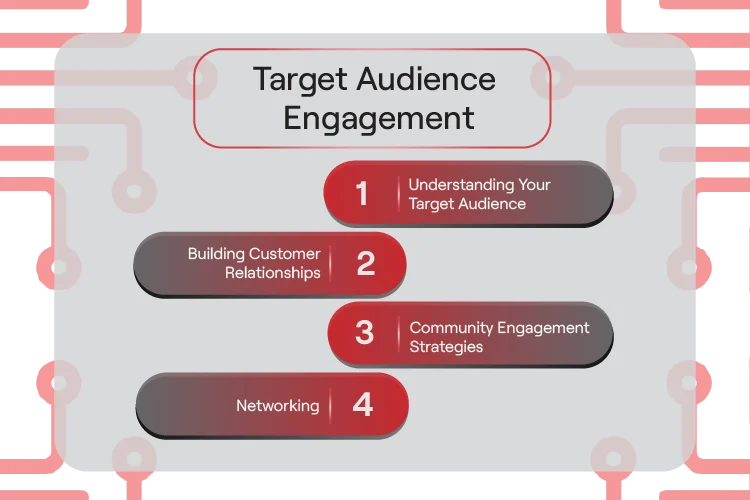
Understanding Your Target Audience
Engaging with your biotech target audience means understanding their challenges, needs, and values. Whether you’re targeting researchers, clinicians, or investors, you must craft messages that appeal to their interests and pain points.
Building Customer Relationships
Building strong customer relationships is critical for long-term success. By offering consistent value through educational content, personalized emails, and proactive customer support, you can increase loyalty and advocacy.
Community Engagement Strategies
Fostering community engagement is another way to build trust and establish your biotech startup as a leader in the industry. Consider creating an online community or forum where customers can share insights, ask questions, or provide feedback on your products.
Networking
Networking at industry events, both in-person and online, can help build valuable relationships and expand your reach. Participating in biotech conferences, webinars, and forums offers opportunities to connect with industry professionals and potential partners.
8. Analytics And Performance Tracking
Measuring Marketing Success
Tracking the performance of your marketing efforts is essential for determining ROI and identifying areas for improvement. Use tools like Google Analytics, HubSpot, or specialized biotech CRM platforms to track conversions, website traffic, and user engagement.
Data Analytics
Biotech data analytics enables you to analyse customer behaviours, campaign performance, and market trends. By utilizing data-driven insights, you can make informed decisions to improve marketing outcomes.
Tracking Tools
Popular tools for tracking performance include:
- Google Analytics for website metrics.
- HubSpot for lead generation and customer relationship management.
- SEMrush for tracking SEO and keyword rankings.
KPIs
Some important biotech marketing KPIs include:
- Website traffic and engagement.
- Conversion rates for lead magnets and PPC ads.
- Customer acquisition costs.
- ROI on email marketing campaigns.
9. Case Studies And Success Stories
Success Stories
Real-life success stories can inspire trust and credibility. Highlighting how other biotech startups have used marketing to grow their business and attract investors can provide valuable lessons for new companies entering the space.
Case Studies
A well-crafted case study showcases how your biotech startup has solved real problems for clients or partners. Consider developing case studies that show your company’s expertise in handling regulatory challenges or successfully launching a product.
Lessons Learned
Each case study or success story should focus on key takeaways that other startups can apply to their marketing efforts, such as how to overcome budget constraints or navigate complex regulatory environments.
10. Industry Trends And Insights
Latest Trends
Staying on top of the latest biotech marketing trends is crucial for maintaining a competitive edge. Some current trends include:
- Personalization in email marketing and content creation.
- The use of AI and data analytics for targeted advertising.
- Increasing reliance on video content to explain complex concepts.
Future Of Marketing
The future of biotech marketing will likely involve even more data-driven approaches, with AI and machine learning playing a central role in personalization and automation. Startups that adopt these technologies early on can better position themselves for success.
Innovations
Innovative marketing techniques, such as virtual reality product demonstrations or interactive content, are becoming more popular in biotech marketing. These cutting-edge tools help companies stand out and engage their target audiences in meaningful ways.
Conclusion
There is unique biotech startups marketing challenges due to the complexity of their products and the highly regulated nature of the industry. However, with the right strategies in place, startups can build a strong brand, generate leads, and create lasting relationships with customers and investors. By staying up to date with the latest biotech marketing trends, investing in content marketing, and ensuring compliance with regulatory guidelines, your biotech startup can grow in this dynamic digital world.